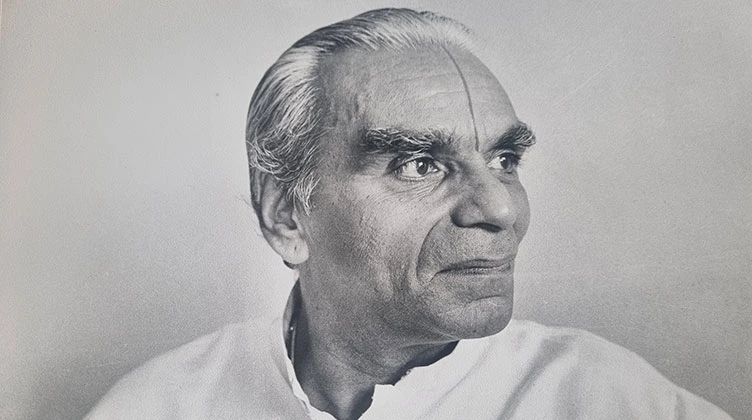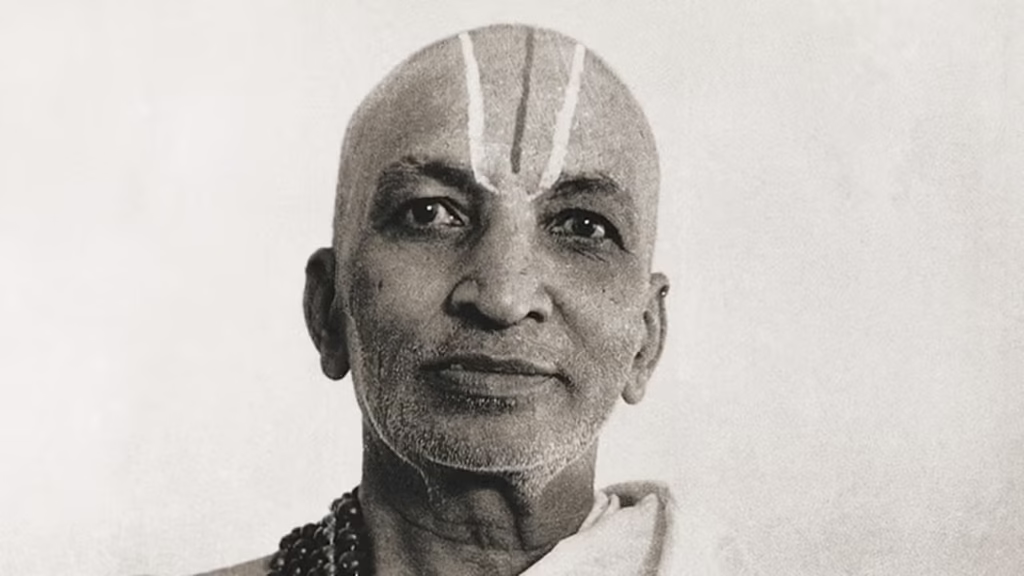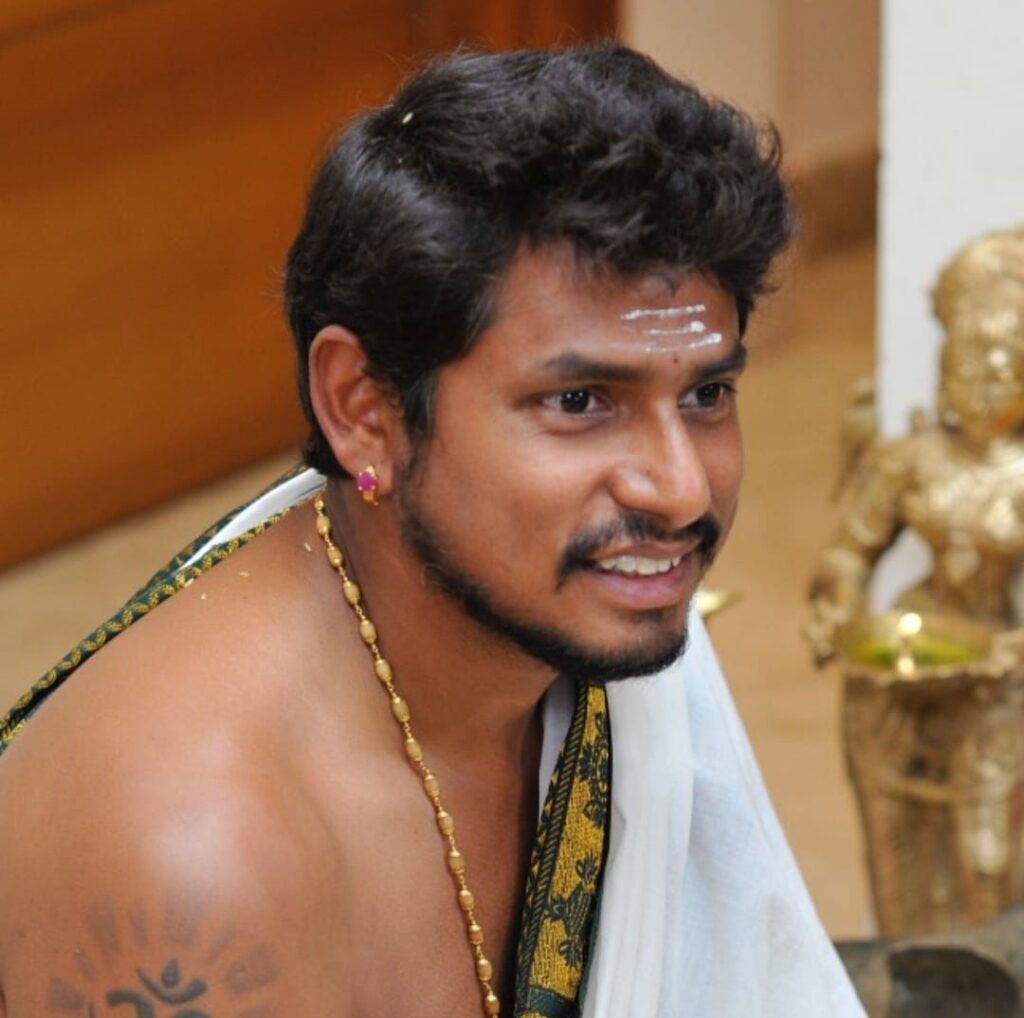
Ashtanga Vinyasa Yoga is a dynamic system of asana (posture) practice that was revived and popularized by Sri Tirumalai Krishnamacharya in the early 20th century. Its origins trace back to an ancient text called the “Yoga Korunta,” attributed to Sage Vamana Rishi, which detailed sequences of postures and breath coordination. Krishnamacharya taught
this practice to his students, most notably Sri K. Pattabhi Jois and Sri B.K.S. Iyengar, who each dedicated their lives to sharing and simplifying these traditional teachings, making them accessible to a global audience. Pattabhi Jois established the Ashtanga Yoga Research Institute in Mysore and systematized the practice known today as Ashtanga Vinyasa Yoga, emphasizing a disciplined flow linking breath and movement in set sequences. B.K.S. Iyengar further popularized yoga with his focus on alignment and precision which is today popularly known as Iyengar Yoga. Vinyasa, from Sanskrit, literally means “to place in a special way.” Ashtanga Vinyasa Yoga is a dynamic practice that synchronizes deep breath work with specific movements and asanas (postures). The practice is characterized by three foundational pillars, known as Trishtana’ in Sanskrit
Ujjayi means “victorious” and refers to a specific breathing technique where the breath is controlled and audible, creating a sense of victory and focus. Correct breath-work produces a flowing sound and sensation of cool air at the back of the neck.
This means “gaze” or “vision.” Fixing the gaze at a particular point during practice helps center the mind and improve concentration.
Meaning “bond” or “lock,” bandhas are energetic engagements within the body that provide stability, protect from injury, and make the practice safe and effective.
Together, these elements unify breath, movement, focus, and energy for a balanced and mindful Ashtanga Vinyasa Yoga practice The synchrony of breath-work, gaze, and energetic engagements in Ashtanga Vinyasa Yoga deepens awareness of both mind and body. Regular practice strengthens and tones the body, enhances flexibility, and builds stamina, resulting in a light and strong physique. Mentally, it improves concentration, focus, and emotional regulation by fostering mindfulness and present-moment awareness. Over time, practitioners develop greater insight into their thoughts and emotions, promoting better self-awareness and emotional balance. This integrated approach helps cultivate calmness, mental clarity, and resilience, making Ashtanga Vinyasa Yoga a powerful tool for holistic health and well-being. Ashtanga Vinyasa Yoga is ultimately a meditative system of self-inquiry that guides practitioners toward living a wholesome and meaningful life. Traditionally, it consists of six sequences: Yoga Chikitsa (Primary Series), Nadi Shodhana (Intermediate Series), and Sthira Bhaga (Advanced Series, divided into four parts: A, B, C & D). These sequences offer a comprehensive practice that provides lifelong material for deep self-exploration and growth. Through disciplined repetition of these sequences, practitioners develop heightened body awareness, mental clarity, and emotional steadiness. The practice becomes a mirror reflecting inner patterns, fostering deeper self awareness and prompting transformation beyond the physical level.